Best Beginner Drones in 2026
Are you ready to take your first steps into the exciting world of drone flying? Whether you want to capture stunning aerial shots, explore new perspectives, or have fun, a beginner drone is perfect. But with so many options on the market, it can take time to figure out where to start. That’s why we’ve compiled a list of the best beginner drones in 2026 to help you get started. We’ve got you covered, from affordable options to premium models with advanced features. So strap in, take off, and explore the world from a new perspective!
Best Beginner Drones 2023
Best For Most Flyers: DJI Mini 3
Best For a Budget: DJI Mini 2 SE
Best For FPV Beginners: DJI Avanta 360
Best For Premium Beginners: DJI Mini 4 Pro
Best Beginner/Intermediate: DJI Air3s
Best For Most Flyers: DJI Mini 3
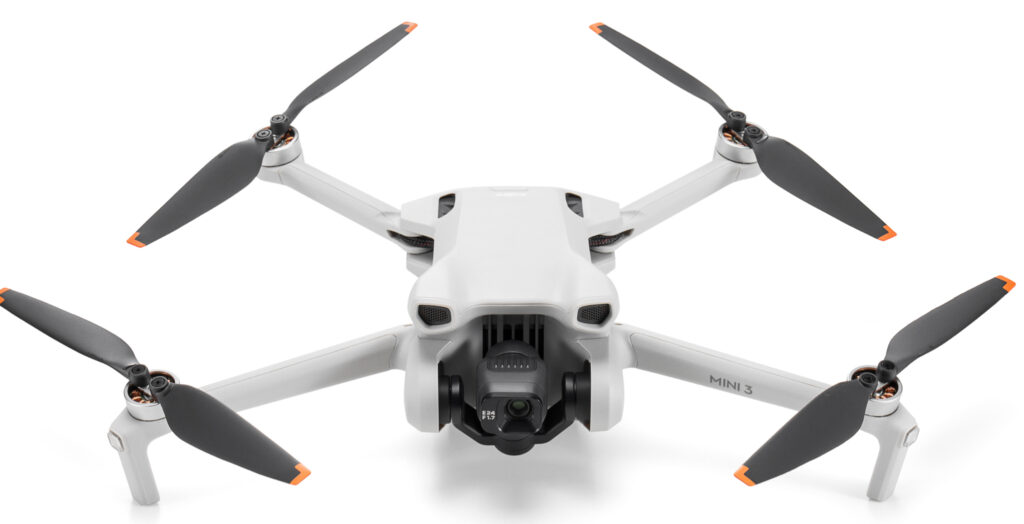
The DJI Mini 3 is one of the best drones under $600. At only 249g takeoff weight, the Mini 3 packs a punch with 4K30 Video and 60 degrees of upward tilt. The standard battery also supports 38 minutes of flight time, with a 51-minute option avalible. The DJI Mini 3 starts at $499.
Pros:
- 38 minutes of battery
- 4K30 video
- Shoots RAW and JPEG
Cons:
- Limited obstacle avoidance features
- No ActiveTrack or Hyperlapse
Best For A Budget: Mini 2 SE
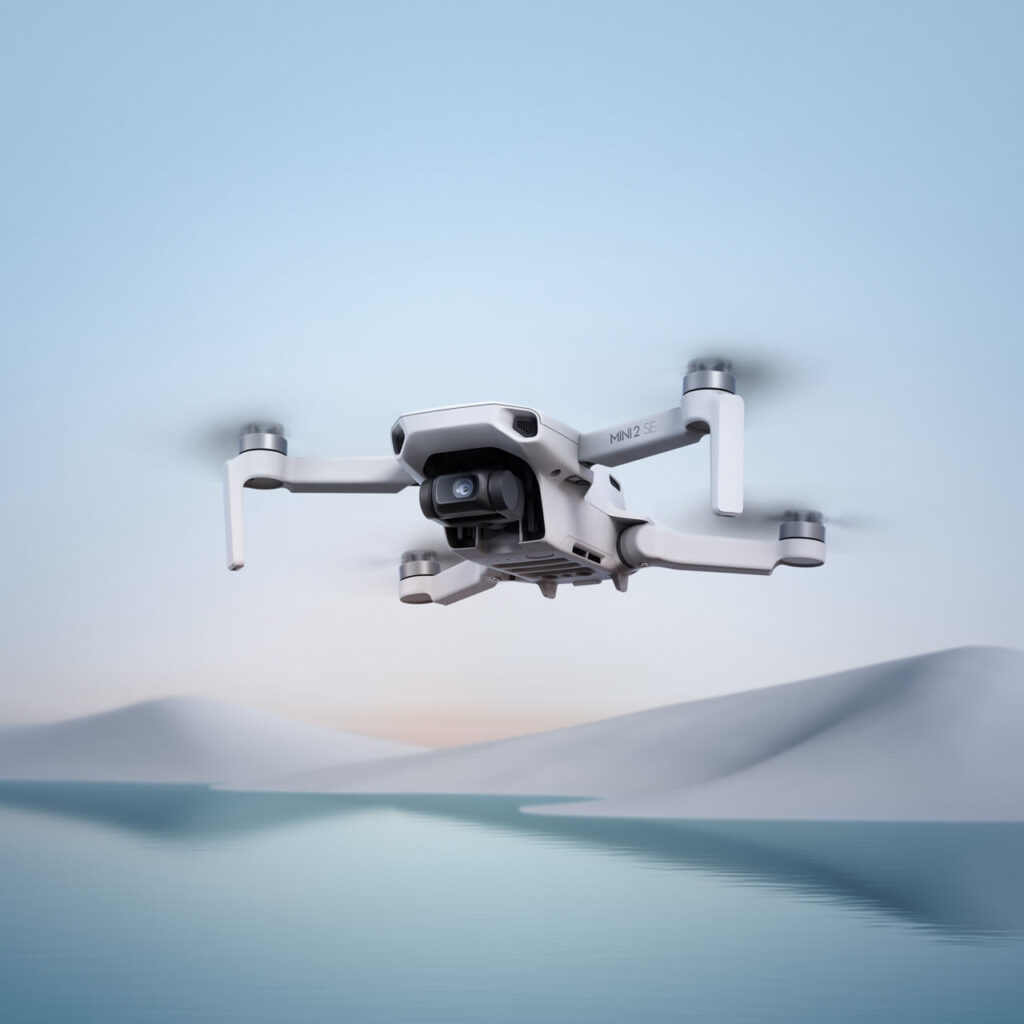
If you’re looking for a more affordable option, the DJI Mini 2 SE is a great choice. It has a 12MP camera with up to 2.7K30 video, making it perfect for beginners who want quality shots without breaking the bank. The drone is also incredibly lightweight, making it easy to transport and maneuver. The DJI Mini 2 SE starts at $339.
Pros:
- Affordable price point
- Lightweight and easy to control
- 2.7K30 Video
Cons:
- Limited obstacle avoidance features
- Not great in stronger winds
Best For FPV Beginners: DJI Avanta 360

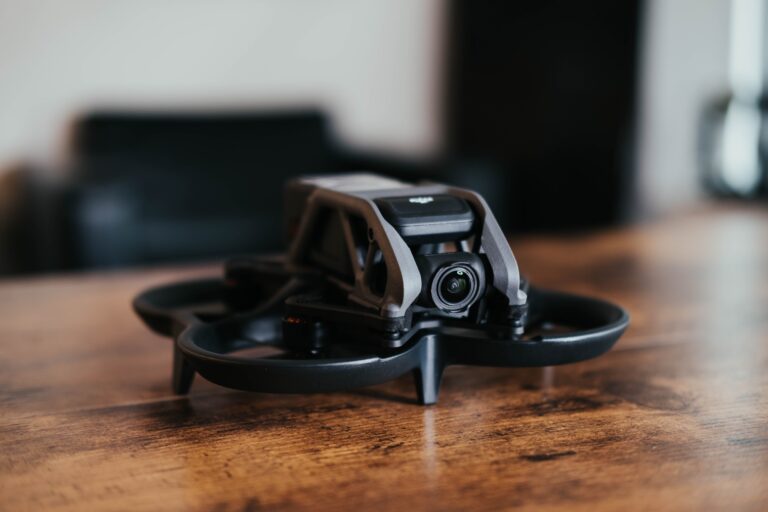
The new DJI drone is seriously impressive — a 1-inch sensor shooting 8K/60fps HDR video, rock-solid O4+ transmission, omnidirectional obstacle sensing, integrated prop guards, and flexible 360 ° and single-lens modes all packed into one drone. The dynamic tracking, FPV + cinematic shooting capabilities, and instant shareable footage make this feel like one of the most versatile creator drones DJI has released yet.
Pros:
- Dedicated controller/googles for an immersive FPV experience
- High-quality camera
- Great for indoor flying
Cons:
- More expensive than other beginner drones
- May need a spotter to fly
Best Premium Beginner: DJI Mini 4 Pro

The DJI Mini 4 Pro is an excellent option if you’re willing to splurge a bit. With a Quad Bayer sensor, the 3 Pro can produce 4k60 HDR video and your choice of 48MP or 12MP still photos. Unlike the Mini 3 Pro, the Mini 4 has advanced features like upgraded obstacle avoidance, the ability to shoot in D-Log, and enhanced ActiveTrack 360. The DJI Mini 4 Pro starts at $759.
Pros:
- 4K60 HDR Video with 12MP, or 48MP still photos
- Slo-Mo 4K/100fps
- Advanced obstacle avoidance and ActiveTrack 360
- 10-bit D-Log M
- True Vertical Shooting
Cons:
- More expensive than other beginner drones
- Extended battery additional cost
Best Beginner/Intermediate: DJI Air3s

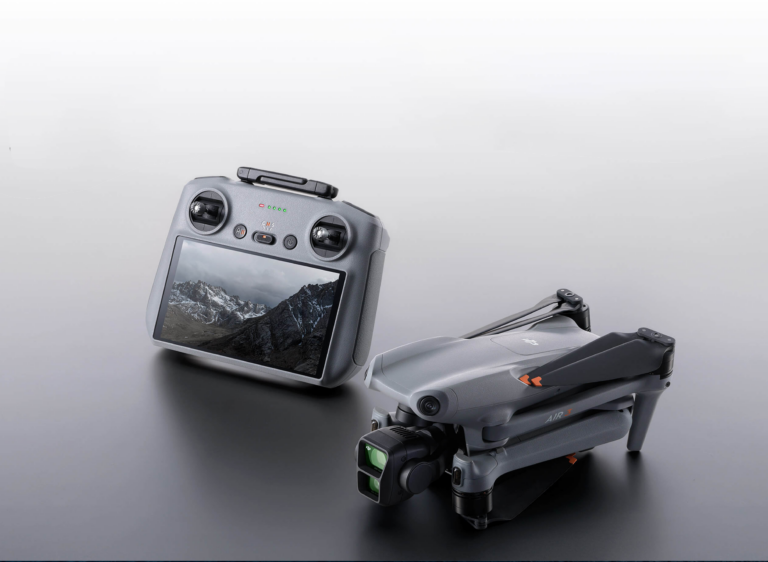
The image quality on this drone looks incredible — a 1” CMOS primary camera, dual-camera 4K/60fps HDR video with 14 stops of dynamic range, seamless panorama capture, advanced nighttime omnidirectional obstacle sensing, next-gen precision return-to-home, and up to 45 minutes of flight time with 20km video transmission. Feels like DJI packed flagship-level imaging and safety features into an incredibly capable all-around platform.
Pros:
- 5.4K30 Video from a 1-inch sensor
- Great obstacle detection and avoidance
- High quality digital zoom
Cons:
- More expensive than other beginner drones
- DJI Air 3 expected to come out soon
- 545g weight may restrict flying in certain areas
Beginner FAQs
What features should I look for in a drone?
We know there are a lot of aspects that go into deciding which drone is the right one. As a beginner, we suggest looking at the following features to determine which one is right for you,
- Camera Quality
- Obstacle Avoidance Sensors
- Battery Capacity
- Weight and Size
- Price
Do I need a license to fly a drone?
Quick answer: YES
A drone certificate is required for all drone pilots, whether they are flying for recreational or commercial purposes.
For recreational drone pilots, it is necessary to complete The Recreational UAS Safety Test (TRUST), an online training that typically takes 15 to 30 minutes and is free.
Pilots looking to use their drones for direct compensation or business use must obtain a Part-107 drone license from the FAA.
In addition, drone pilots must register their drone if it weighs over 250 grams. The registration fee is $5, and can be completed on the FAA Drone Zone website.
How do I know where it is safe to fly?
Before flying your drone, you must ensure that you are doing so safely and legally. To determine where it is safe to fly your drone, you should research and familiarize yourself with the airspace regulations in your area. Additionally, you can use apps such AutoPylot to effortlessly check and track any airspace restrictions in your intended flight area. As an FAA-approved supplier of LAANC, pilots can also use AutoPylot to request near real-time authorizations from the FAA to fly in controlled airspace. By taking these steps, you can ensure a safe and enjoyable drone flying experience.
No matter your budget or skill level, there’s a beginner drone out there that’s perfect for you. Consider these options and start your drone flying journey today!