Winter Drone Flying: 7 Tips for Cold-Weather Operations
Winter transforms landscapes into breathtaking vistas of snow-covered mountains, frozen lakes, and frost-kissed forests—perfect opportunities for aerial photography. However, winter drone flying presents unique challenges that can damage equipment or compromise safety if you’re unprepared. Whether you’re a recreational pilot capturing holiday memories or a Part 107 professional conducting winter inspections, understanding cold-weather operations is crucial for successful flights.

Understanding Cold-Weather Battery Performance for Winter Drone Flying
Battery performance dramatically decreases in cold temperatures, often catching pilots off guard. Lithium-polymer (LiPo) batteries, which power most consumer and professional drones, experience reduced chemical reactions in cold weather. At 32°F (0°C), expect a 20-30% capacity reduction; at 14°F (-10°C), this can exceed 50%.
Professional pilots implement a three-step battery management protocol:
- Pre-flight storage: Keep batteries at room temperature (68-72°F) before flights
- Transport protection: Use battery warmers or insulated cases—many pilots rely on specialized drone battery cases like this
- Warm-up procedure: Hover your drone for 30-60 seconds after takeoff to warm batteries through discharge before aggressive maneuvers
Monitor voltage levels more frequently than summer flights. Set conservative return-to-home thresholds at 30% rather than the typical 20%. Consider investing in self-heating batteries if you regularly conduct winter drone flyingoperations, as models like DJI’s Intelligent Flight Batteries maintain optimal temperature automatically.

Recognizing and Avoiding Icing Risks During Winter Drone Flying
Icing represents one of the most serious hazards for winter operations, potentially causing complete loss of control. Two types threaten drone operations: structural icing on propellers and airframe, and carburetor icing in gas-powered units (though rare in electric consumer drones).
Watch for these critical icing indicators:
- Visible moisture present in sub-freezing temperatures
- Flying through clouds, fog, or precipitation
- Temperature-dew point spreads less than 5°F
- Freezing rain or sleet in the forecast
- Operation above 400 feet where conditions change rapidly
The FAA’s Aviation Weather Center provides detailed icing forecasts essential for Part 107 operations.
When ice accumulates on propellers, it disrupts airflow and reduces lift efficiency. Even minimal ice formation shifts the center of gravity and increases weight. If you notice sluggish controls, increased battery consumption, or unusual vibrations, land immediately. Never attempt to continue flying with suspected icing—the risk of sudden failure increases exponentially.

Pre-Flight Planning Strategies for Winter Drone Flying Success
Thorough pre-flight planning becomes even more critical during winter months. Start by checking multiple weather sources, paying special attention to wind chill factors that affect both pilot comfort and equipment performance. Wind speeds that seem manageable in summer can become dangerous when combined with freezing temperatures.
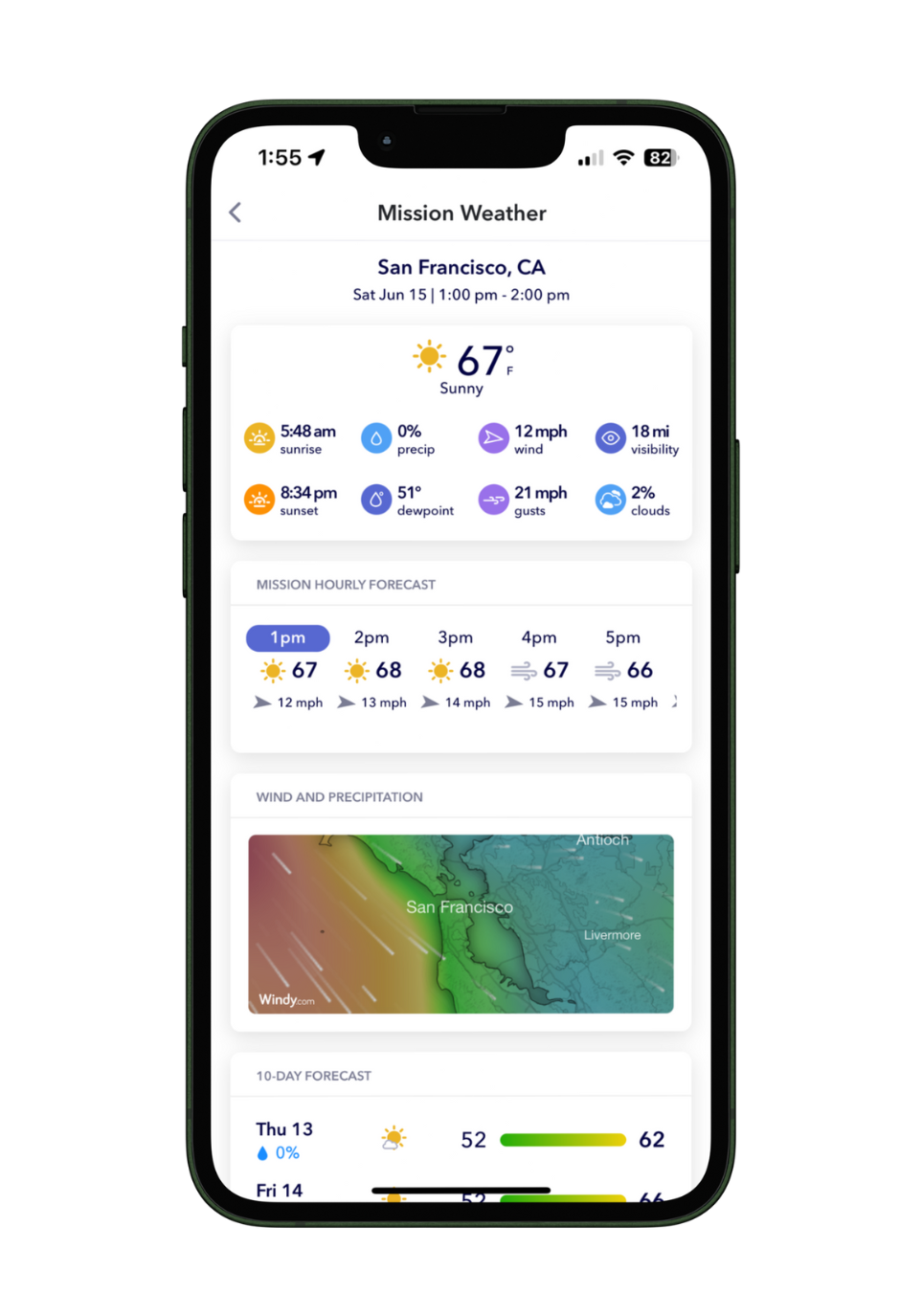
Smart pilots leverage specialized tools like AutoPylot’s weather features for comprehensive pre-flight weather analysis. The app’s Mission Weather Overview provides location-specific forecasts tailored to your exact flight time and duration, eliminating guesswork about conditions during your planned winter drone flying window.
Create a comprehensive checklist specifically for winter operations:
- Verify all firmware updates are current (cold weather often reveals software bugs)
- Check all moving parts for ice buildup or stiffness
- Test control stick responsiveness before launch
- Confirm GPS signal strength in open areas away from structures
- Inspect propeller blades for cracks or damage that cold makes worse
- Clean all sensors and camera lenses before flight
- Review hourly weather forecasts for sudden condition changes
Consider shortened flight windows. Plan missions during the warmest part of the day, typically between 11 AM and 3 PM. Factor in reduced flight times—if you normally get 25 minutes per battery in summer, plan for 15-18 minutes in winter. This conservative approach prevents unexpected forced landings.

Leveraging AutoPylot Weather Features for Safer Winter Drone Flying
Professional winter drone flying demands precise weather intelligence beyond basic forecasts. AutoPylot’s advanced weather system transforms how pilots approach cold-weather operations, providing critical data specifically tailored for drone missions.
The platform’s comprehensive weather variables track essential winter metrics:
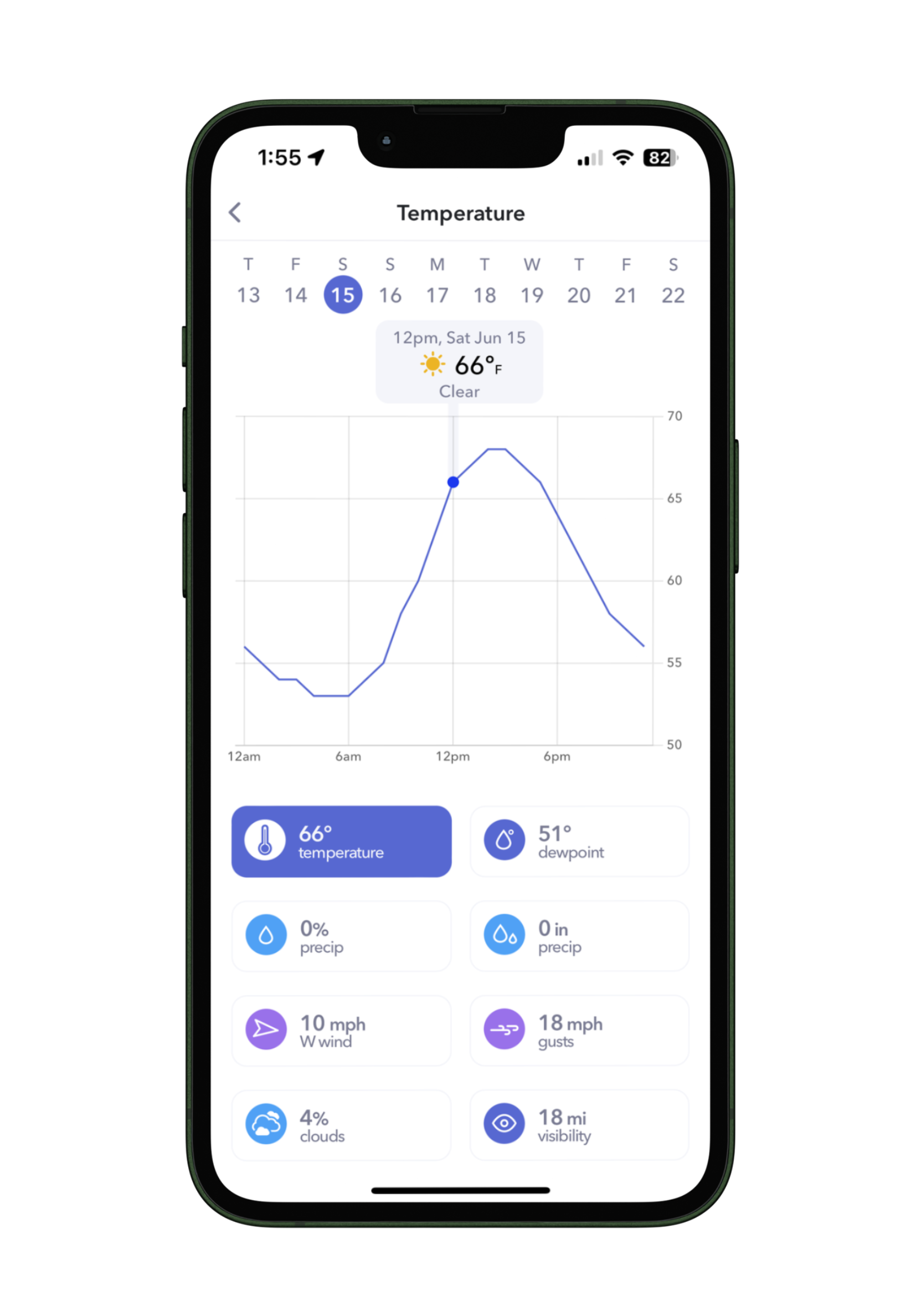
- Temperature monitoring: Track actual temperatures and wind chill factors throughout your flight window
- Wind analysis: Monitor both sustained winds and gust factors that affect stability in cold air
- Precipitation tracking: Real-time updates on snow, sleet, or freezing rain approaching your location
- Cloud coverage: Essential for identifying potential icing conditions at altitude
AutoPylot’s interactive weather maps layer real-time wind patterns and precipitation data over your flight area, revealing micro-weather conditions that generic forecasts miss. The precipitation maps show incoming snow systems hours in advance, while wind maps identify dangerous shear zones common near frozen bodies of water.
The platform’s weather graphs visualize how conditions evolve throughout your mission. For winter operations, this means spotting temperature drops that signal incoming fronts or identifying the brief windows when winds calm between systems. The 10-day forecast helps Part 107 pilots schedule commercial operations around winter storms, while hourly forecasts pinpoint optimal moments for recreational flights.
Most importantly, AutoPylot correlates all weather data to your specific mission parameters—location, altitude, time, and duration—providing go/no-go recommendations based on actual flight conditions rather than general area forecasts.
Essential Equipment for Safe Winter Drone Flying Operations
Investing in proper winter equipment protects both your drone and ensures operational success. Start with a quality landing pad—snow reflects GPS signals poorly and can cause positioning errors. A foldable landing pad also prevents snow from entering motors during takeoff and landing.
Critical winter gear includes:
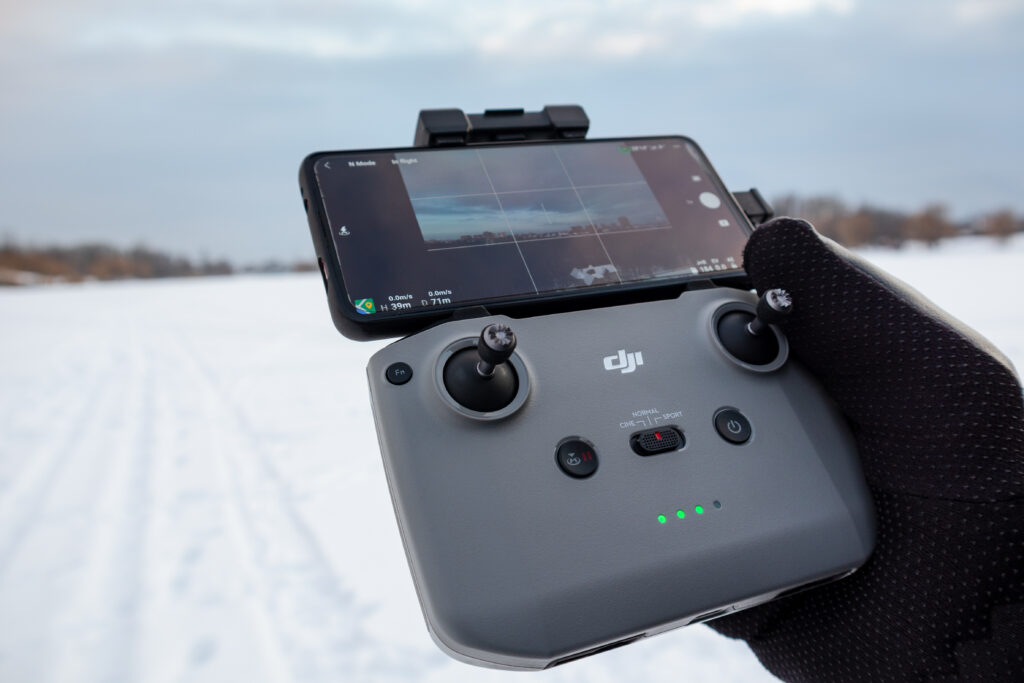
- Hand protection: Specialized photography gloves with removable fingertips for tactile screen control
- Chemical hand warmers: Essential backup for extreme conditions
- Insulated carrying cases: Prevent condensation damage during transport
- Microfiber cloths: Snow creates spots on lenses quickly
- Extra memory cards: Cold reduces write speeds significantly
- Polarizing filters: Reduce harsh snow glare
- Backup control devices: Cold weather rapidly drains tablets and phones
- Battery warmers.insulation: To keep battery voltage within acceptable ranges
Protect your drone during transport with insulated cases. Sudden temperature changes cause condensation that damages electronics. Allow equipment to gradually acclimate when moving between environments—wait 15-20 minutes before powering on after bringing gear indoors.
Post-Flight Maintenance and Storage
Proper post-flight procedures prevent long-term damage from winter drone flying sessions. Follow these essential steps:
- Immediately wipe down your drone with a dry microfiber cloth
- Pay special attention to gimbal mechanisms where moisture accumulates
- Never use heat guns or hair dryers—rapid temperature changes damage components
- Inspect propellers carefully for stress cracks cold weather exacerbates
- Store drone and batteries at room temperature (avoid garages or vehicles)
- Maintain batteries at 40-60% charge during storage to prevent degradation
- Document any unusual behavior or performance issues for trend analysis
Transform Your Winter Drone Flying with Smart Planning
Winter aerial operations offer incredible opportunities but demand respect for environmental challenges. By implementing these cold-weather strategies—from battery management to icing awareness—you’ll capture stunning winter footage while protecting valuable equipment.
Ready to eliminate weather-related surprises from your winter drone flying missions? Download AutoPylot today and experience the confidence that comes with professional-grade weather intelligence. With features like real-time precipitation and wind maps, detailed weather graphs, and mission-specific forecasts, you’ll know exactly when conditions are safe for flight. Stop guessing about winter weather—let AutoPylot’s advanced weather system guide you to successful cold-weather operations. Available with AutoPylot+ for just $3.99/month or $39.99 annually.