World Cup No-Drone Zone: 11 Cities, $75K Fines, and What Every Pilot Must Know
The World Cup no-drone zone restrictions are here, and they’re the strictest the FAA has ever enforced for a sporting event. If you fly a drone anywhere near a host city this summer, you need to read this before you launch.
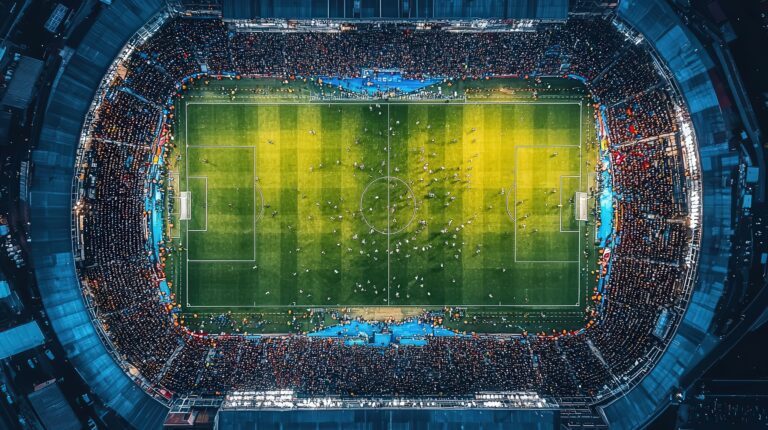
The 2026 FIFA World Cup kicks off June 11 and runs through July 19, with matches across 11 U.S. cities. Every stadium and surrounding event space has been designated an official no-drone zone by the FAA. Federal agents, local law enforcement, and counter-UAS technology will be actively monitoring the airspace throughout the tournament.
This isn’t a suggestion. It’s a federal enforcement operation.
Which Stadiums Are World Cup No-Drone Zones?
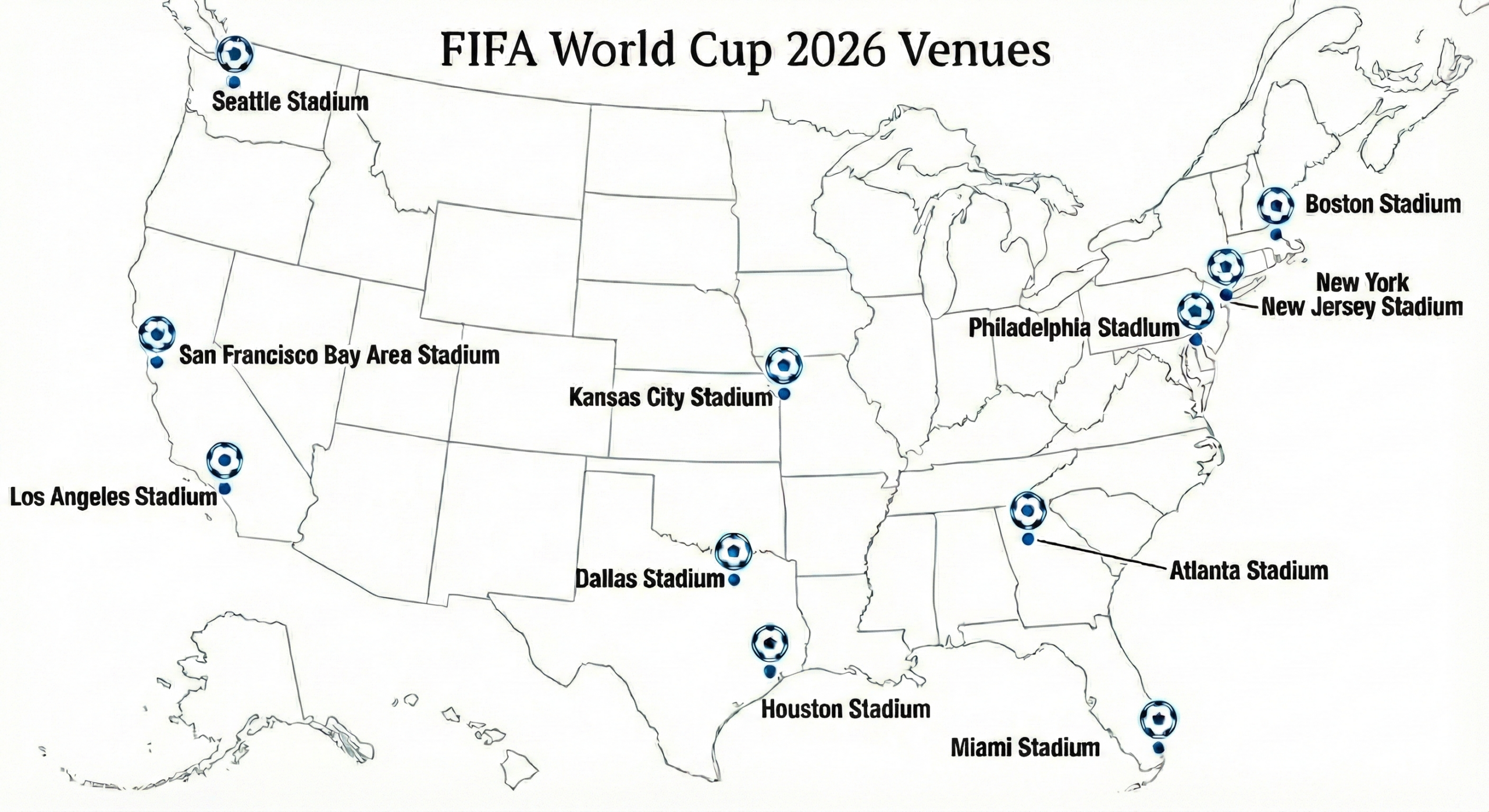
Temporary Flight Restrictions (TFRs) will be in effect around all 11 U.S. host stadiums on match days. TFRs are typically published 3–5 days before each match via FDC NOTAMs and apply during active event windows — not just during kickoff.
| City | Stadium | Location |
|---|---|---|
| Atlanta | Mercedes-Benz Stadium | Atlanta, GA |
| Boston | Gillette Stadium | Foxborough, MA |
| Dallas | AT&T Stadium | Arlington, TX |
| Houston | NRG Stadium | Houston, TX |
| Kansas City | Arrowhead Stadium | Kansas City, MO |
| Los Angeles | SoFi Stadium | Inglewood, CA |
| Miami | Hard Rock Stadium | Miami Gardens, FL |
| New York / New Jersey | MetLife Stadium | East Rutherford, NJ |
| Philadelphia | Lincoln Financial Field | Philadelphia, PA |
| San Francisco Bay Area | Levi’s Stadium | Santa Clara, CA |
| Seattle | Lumen Field | Seattle, WA |
What Are the Penalties for Flying in a World Cup No-Drone Zone?
The FAA has made the consequences clear. Operating a drone inside a restricted World Cup no-drone zone carries severe penalties:
| Penalty | Details |
|---|---|
| Civil fines | Up to $75,000 per violation |
| Criminal fines | Up to $100,000 |
| Confiscation | FBI is authorized to intercept and seize your drone |
| Criminal prosecution | Possible federal charges and arrest |
The FBI and local law enforcement will use federally authorized counter-UAS capabilities to detect, track, and assess unauthorized drone activity near World Cup venues.
Does This Apply to Part 107 Pilots and LAANC Holders?
Yes — no exceptions.
- ✅ Recreational pilots — the no-drone zone applies to you
- ✅ Part 107 commercial operators — yes, even with a certificate
- ✅ Pilots with existing LAANC authorizations — TFRs override LAANC
- ✅ Pilots flying “a few miles away” — TFRs can extend well beyond the stadium
During active World Cup TFRs, drone operations are not permitted without specific event authorization. Your Part 107 certificate and your LAANC approval do not override a Temporary Flight Restriction.
How to Stay Compliant During the World Cup No Drone Zone Restrictions
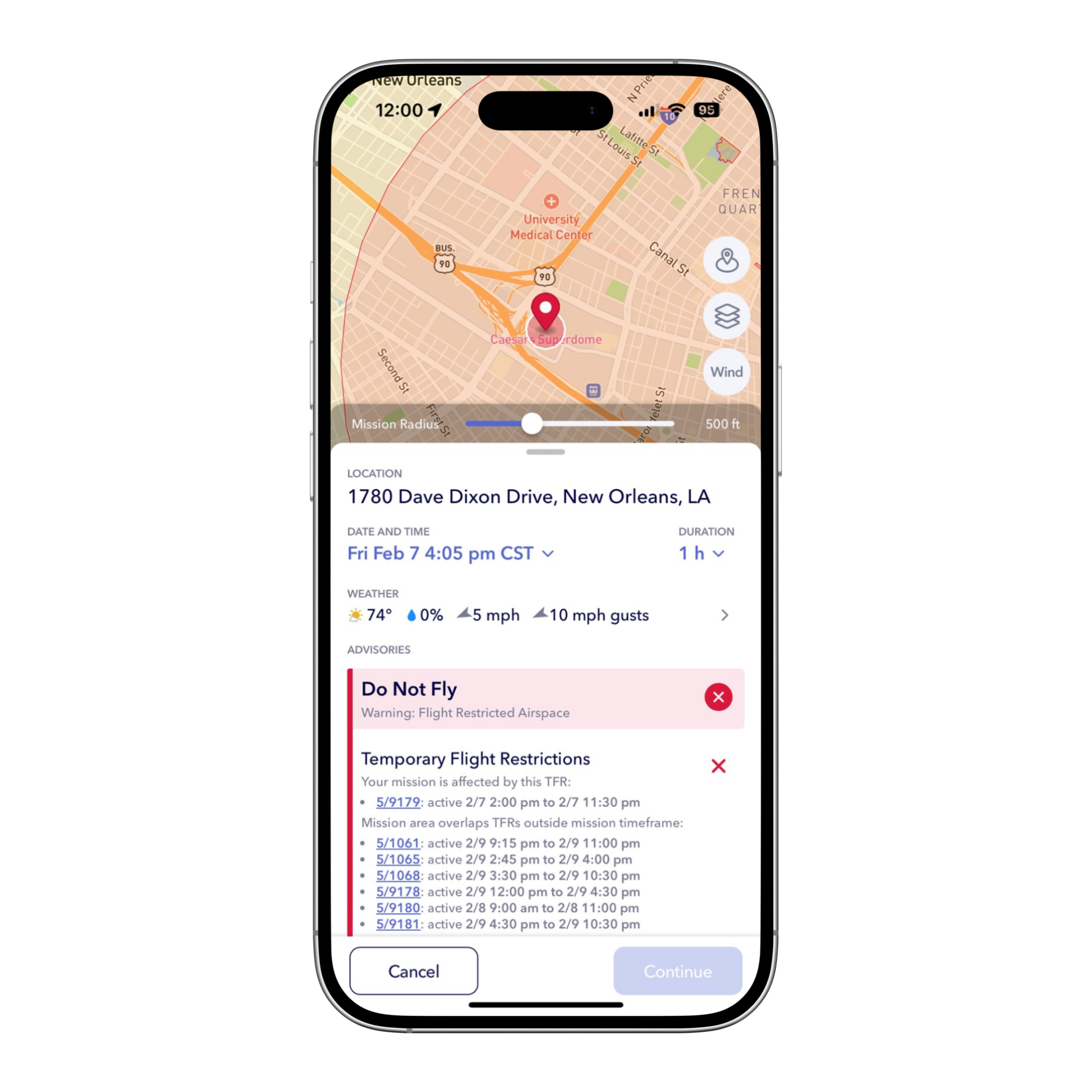
If you’re a drone pilot in or near any of the 11 host cities this summer, follow these steps before every flight between June 11 and July 19:
- Check for active TFRs before every flight. The FAA specifically recommends using B4UFLY apps to check airspace restrictions near host cities. AutoPylot is an FAA-approved B4UFLY and LAANC provider — open the app, check your location, and see any active TFRs in real time.
- Check on the day of your flight. TFR details can change. Don’t rely on yesterday’s information.
- Don’t assume distance makes you safe. TFRs can extend well beyond the stadium footprint. If you’re anywhere in a host city metro area on a match day, check your airspace.
- Monitor NOTAMs. Keep an eye on the FAA’s TFR page for the latest restrictions.
- When in doubt, don’t fly. The penalties aren’t worth the risk.
Why the World Cup No Drone Zone Matters Beyond This Summer
The World Cup is the highest-profile example of something drone pilots deal with year-round: Temporary Flight Restrictions around major events, VIP movements, and security operations.
TFRs aren’t new. But the scale of enforcement this summer — counter-UAS technology, FBI involvement, fines starting at $75,000 — is a clear signal of where drone enforcement is headed. The FAA’s new DETER program is already streamlining penalties for first-time violators outside of major events. The World Cup no drone zone enforcement is that same posture turned up to full volume.
This is why building good pre-flight habits matters. Checking your airspace, verifying TFRs, and getting proper authorization before every flight isn’t just about the World Cup. It’s how responsible pilots operate every day.
Fly safe this summer. Check before you fly. And enjoy the matches from the ground.
AutoPylot is an FAA-approved LAANC and B4UFLY provider used by over hundreds of thousands of pilots nationwide. Check for TFRs, get airspace authorization, and plan your flights at autopylot.io.