Why You Can’t Fly Drones in U.S. Wilderness Areas (and What to Know Before You Go)
Intro To Wilderness Areas
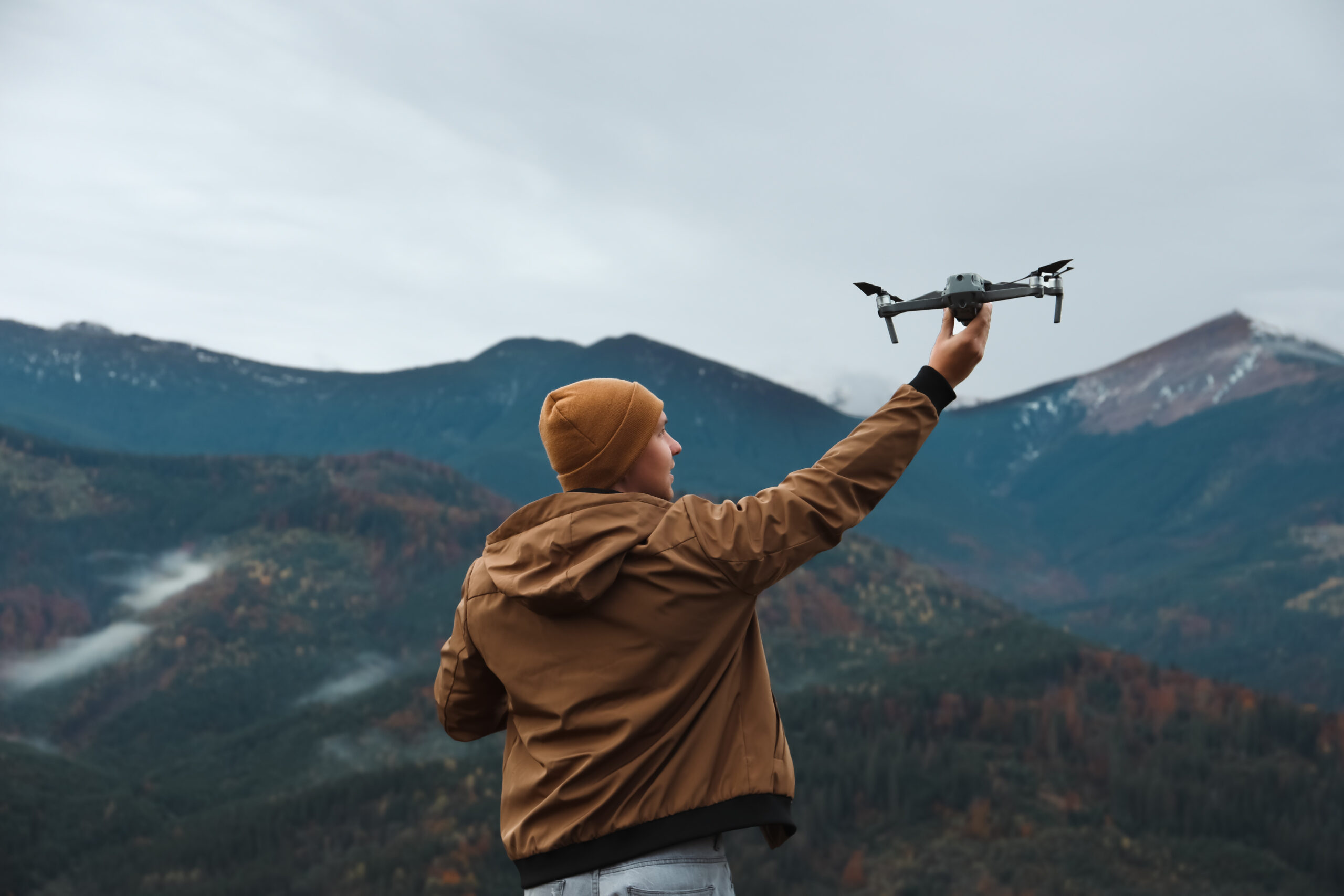
As drones become more popular among outdoor adventurers and creators, it’s natural to want to take your drone along for that next epic hike, backpacking trip, or mountain summit. But before you launch your drone in a remote, beautiful spot, there’s one rule every pilot needs to understand: you cannot take off or land a drone within a federally designated Wilderness Area.
What Are Wilderness Areas?
Wilderness Areas are special lands protected under the 1964 Wilderness Act. These places are meant to remain as untouched as possible — no roads, no permanent structures, and no motorized or mechanized equipment.
That last point is key: under federal policy, drones are considered “mechanized transport.” Even though they’re small and airborne, drones fall under the same restrictions as off-road vehicles or bicycles in these protected zones.
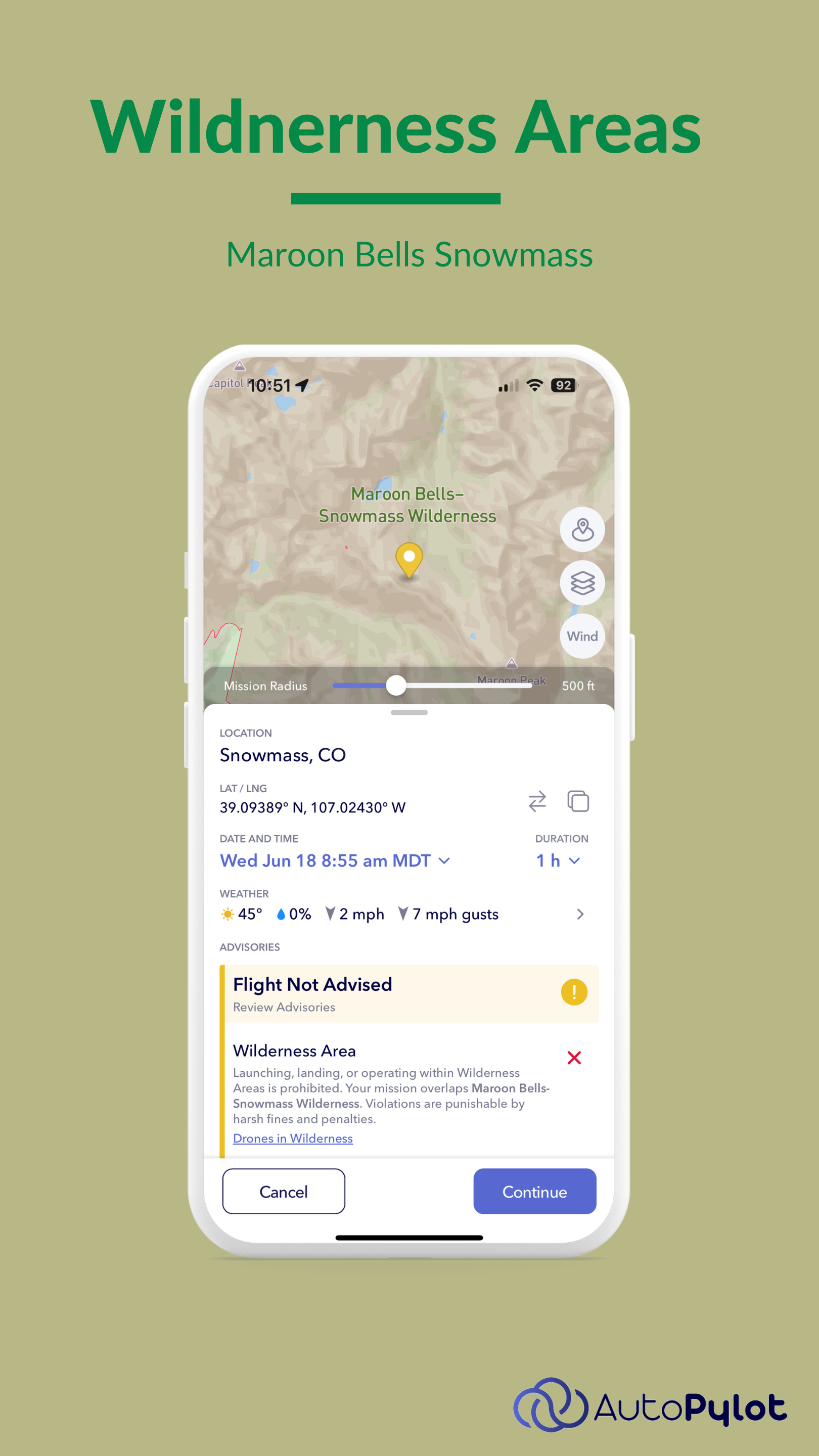
That means launching, landing, or operating a drone from within a Wilderness Area is not allowed.
The Legal Basis for the Ban
The Wilderness Act prohibits the use of “motor vehicles, motorized equipment, or mechanical transport” within designated Wilderness Areas. This is why even bicycles and wheelbarrows are banned — and drones clearly qualify under that definition.
Each federal land agency enforces these rules within the areas they manage:
- National Park Service (NPS)
- U.S. Forest Service (USFS)
- Bureau of Land Management (BLM)
- U.S. Fish and Wildlife Service (USFWS)
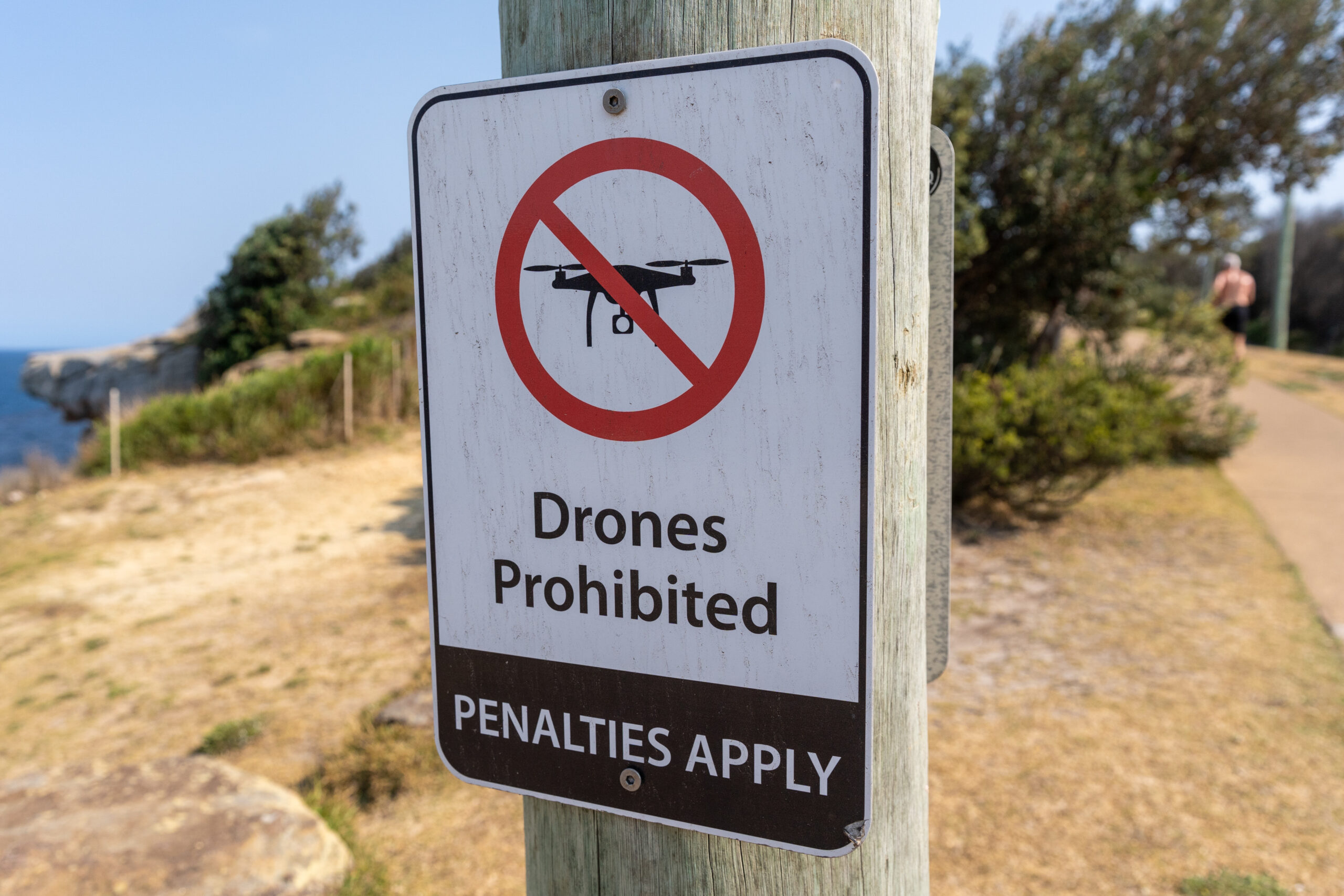
Violations can result in fines, confiscation of equipment, and even federal charges if the act is deemed intentional.
Why the Ban Exists
Wilderness Areas are designed to preserve natural soundscapes, protect wildlife, and provide opportunities for solitude. While drones are often flown responsibly, their noise, presence, and visibility can disturb both people and wildlife.
Even short flights can:
- Disrupt nesting birds or wildlife behavior
- Disturb hikers seeking quiet and solitude
- Violate wilderness preservation principles
These protections ensure that these areas remain as pristine as possible — free from mechanical intrusion.
What About Flying Over a Wilderness Area?
This is where the distinction between airspace and land use matters.
The FAA controls the airspace, while federal land agencies control the ground — including where drones can take off and land.
So here’s the rule of thumb:
✅ You may fly over a Wilderness Area, because the FAA regulates the airspace above it.
🚫 You may not take off or land within a Wilderness Area, because that activity happens on the ground — which is regulated by the agency managing that land.
If you’re standing outside the boundary — for example, on adjacent public land, a forest road, or private property where you have permission — you can:
- Launch your drone legally,
- Maintain visual line of sight, and
- Fly over the Wilderness Area’s airspace, as long as you comply with FAA regulations (altitude limits, no BVLOS, etc.).
However, while technically allowed, flying over Wilderness Areas is strongly discouraged. Low-altitude flights can disturb wildlife, disrupt visitors seeking solitude, or risk your drone malfunctioning and accidentally landing inside the boundary, which could result in fines or enforcement action.
When in doubt, give these areas a wide berth — both to protect the environment and to avoid unnecessary legal trouble.
Similar Restrictions in Wildlife Refuges and National Parks
The same general principles apply to National Wildlife Refuges and National Parks.
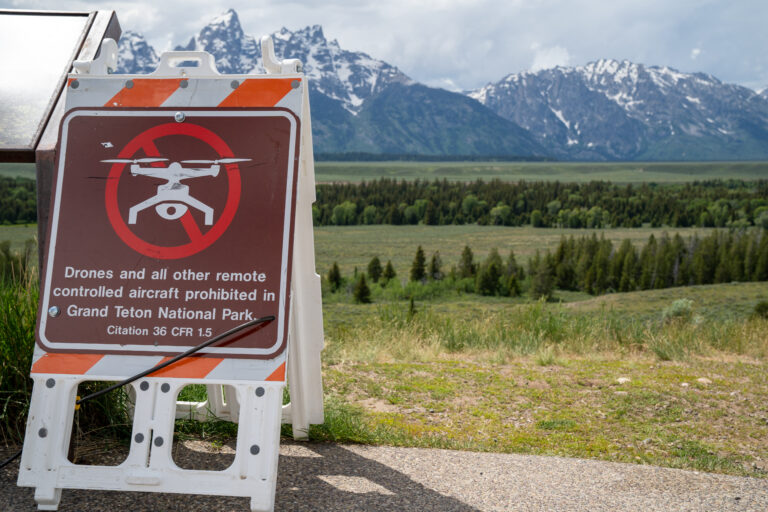
- National Parks: The National Park Service (NPS) has banned recreational drone flights in all 400+ parks since 2014. This includes iconic spots like Yellowstone, Yosemite, and the Grand Canyon. Special permits for commercial or scientific use are extremely limited.
- Wildlife Refuges: The U.S. Fish and Wildlife Service also prohibits drone flights in nearly all National Wildlife Refuges without explicit authorization. These areas protect sensitive species, and drones are considered a disturbance to both wildlife and habitat.
Violating these rules can result in steep fines and even criminal charges. In many cases, enforcement officers don’t issue warnings—they issue citations.

How to Know If You’re in a Wilderness Area
Wilderness Areas are often not clearly marked, especially in remote or backcountry locations. So how do you know where you can legally fly?
Here are a few tools and tips:
- Use drone flight planning apps like AutoPylot, which include national and protected land layers
- Confirm with the local ranger district or land management office
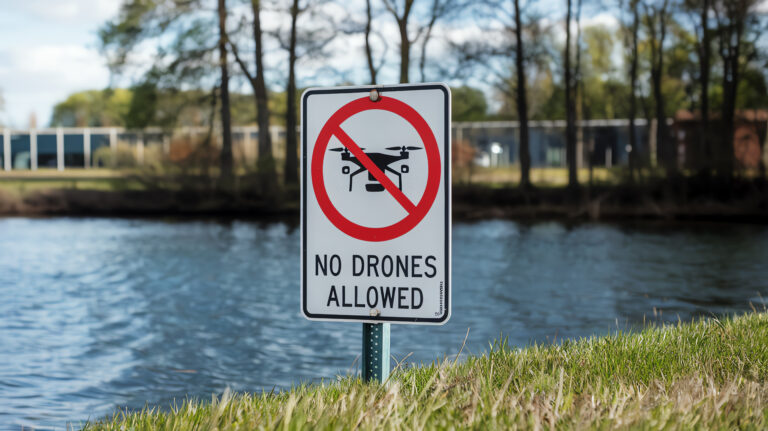
- Look for trailhead signs—some may warn against drone usage specifically
Can You Fly Near a Wilderness Area?
Yes, but you must maintain line-of-sight and ensure your drone does not cross into restricted boundaries—even briefly. Flying just outside the border of a Wilderness Area may be legal, but it’s essential to:
- Try avoiding flying over the Wilderness Area, even if you’re standing outside of it
- Consider natural soundscapes—your drone may still be disruptive to others nearby
- Follow all other FAA rules, including altitude limits and controlled airspace restrictions
What About State or Local Laws?
Even outside of federal Wilderness Areas, state parks and local agencies often have their own rules about drone use. Some allow flights with permits, while others ban them outright. It’s always best to check ahead before flying in any outdoor area.
Bottom Line
While the FAA controls the airspace, land managers control the ground — and that means launching or landing a drone in a Wilderness Area is prohibited under federal law.
You may technically be allowed to fly over a Wilderness Area if you launch from outside and stay within FAA guidelines, but in practice, it’s discouraged due to noise, wildlife impact, and enforcement risk.
When in doubt, always confirm with the local ranger district and respect why these protections exist: to preserve the quiet, natural character of America’s wild places for generations to come.